IMAGE INVERTER FOR VITRECTOMY
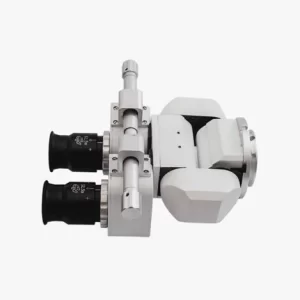
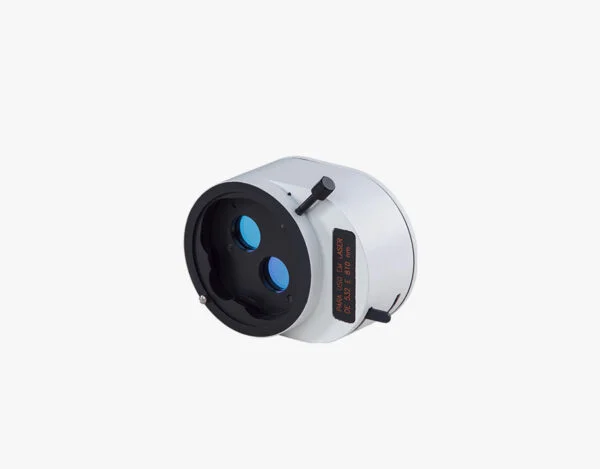
An image inverter for vitrectomy is a specialized optical device used in ophthalmic surgery, particularly during vitrectomy procedures. Vitrectomy is a surgical procedure performed to treat various eye conditions involving the vitreous humor, the gel-like substance that fills the space inside the eye between the lens and the retina. Its integration into the surgical microscope enhances visualization and contributes to successful outcomes in vitreoretinal surgery.
- Optical System: The image inverter consists of a complex optical system designed to invert and relay the image from the surgical microscope to the surgeon’s eyes or a camera system. This inversion is necessary because traditional microscopes produce an inverted image, which can be disorienting for the surgeon.
- Inversion Mechanism: The image inverter employs prisms or mirrors to flip the orientation of the image, ensuring that the surgeon sees the scene in the correct orientation. These optical components are precisely engineered to maintain image clarity and minimize distortion.
- Integration with Surgical Microscope: The image inverter is typically integrated into the optical path of the surgical microscope used during vitrectomy procedures. It may be a detachable module that can be added or removed as needed, allowing flexibility in surgical setup.
- Enhanced Visualization: By providing a correctly oriented image to the surgeon, the image inverter improves visualization and spatial orientation during vitrectomy surgery. This is crucial for delicate maneuvers within the eye, such as removing scar tissue, repairing retinal detachments, or removing vitreous hemorrhages.
- Compatibility with Camera Systems: In addition to providing visual feedback to the surgeon, some image inverters are compatible with camera systems, allowing surgical procedures to be recorded or broadcasted for educational or documentation purposes.
- Sterile Design: Since vitrectomy procedures require a sterile surgical environment, image inverters are designed to be compatible with sterilization procedures. They may feature detachable or disposable components to facilitate sterilization and prevent contamination.